Photography craft
Golden hour and blue hour near the equator: how short they really are
In Tanzania the best light arrives fast and leaves faster. How many minutes you actually get at Arusha and Zanzibar, and how to plan a hotel, lodge or safari shoot around them.

Arjav Vyas
Award-winning Filmmaker & Photographer · 27 November 2026 · 3 min read
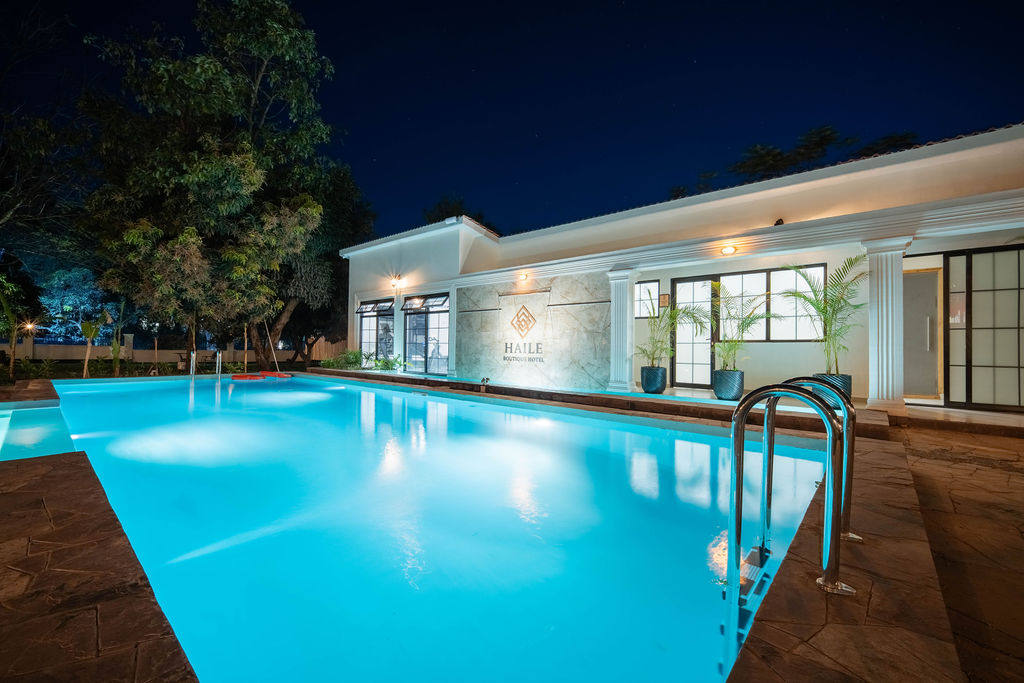
Blue hour, when the pool lights and the sky balance. Shot for Haile Boutique Hotel, Arusha.
Photo: Merit Concept
Arusha, 22 November 2026
Civil dawn
5:48am
Light begins
Sunrise
6:10am
Golden light starts
Sunset
6:28pm
Golden light ends
Civil dusk
6:50pm
Blue fades to night
Twilight
22 min
Each end of the day
Day length
About 12h 18min
Barely changes all year
Why the light is so short here
Near the equator the sun rises and sets almost vertically, so it crosses the band of soft, low light quickly. Timeanddate's figures for Arusha show civil twilight (from sunset until the sun is 6° below the horizon) lasting about 22 to 23 minutes in both June and December. In London in midsummer it lasts about 48 minutes. Zanzibar is the same as Arusha: on 22 November the sun sets at 6:22pm and civil twilight ends 22 minutes later.
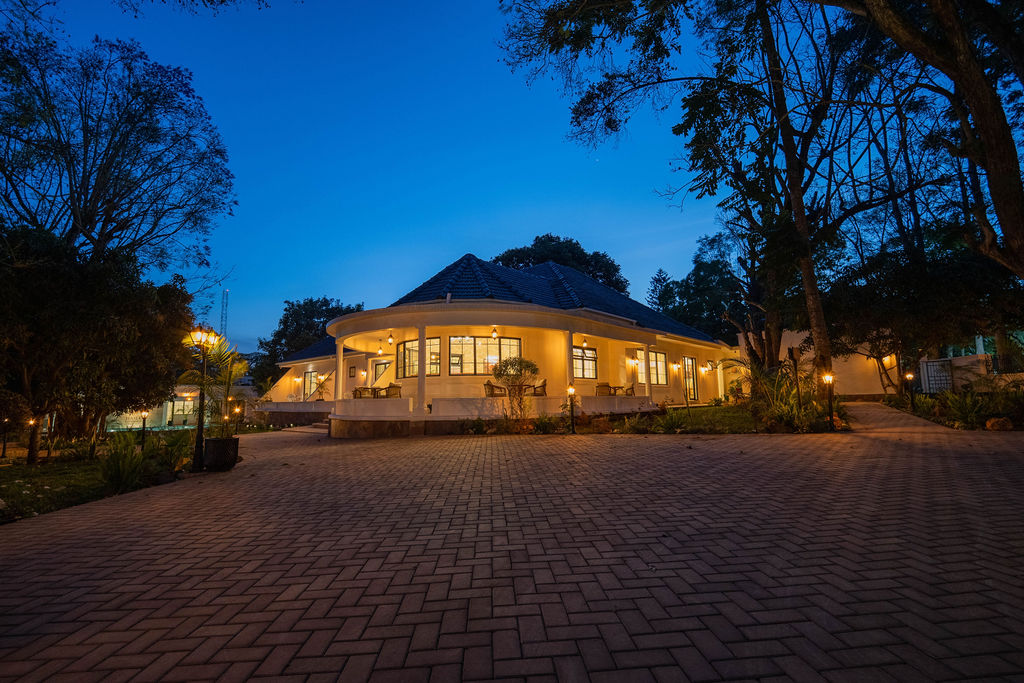
Exterior at blue hour: the window light matches the sky for a few minutes only. Shot for Haile Boutique Hotel, Arusha.
Photo: Merit Concept
What that means on a shoot
- One set-up per window. You'll get one great exterior or one great pool shot at dusk, not three. Choose in advance.
- Be set up early. Tripod down, composition locked and lights on 15 minutes before sunset.
- Turn every light on. Blue hour works when interior light and sky are balanced. Switch on lamps, pool lights and lanterns before the sky darkens.
- Shoot the whole window. Expose a frame every minute or so: the best balance often comes later than you expect.
- Use mornings too. Dawn gives the same short window, with calmer air and fewer people around.
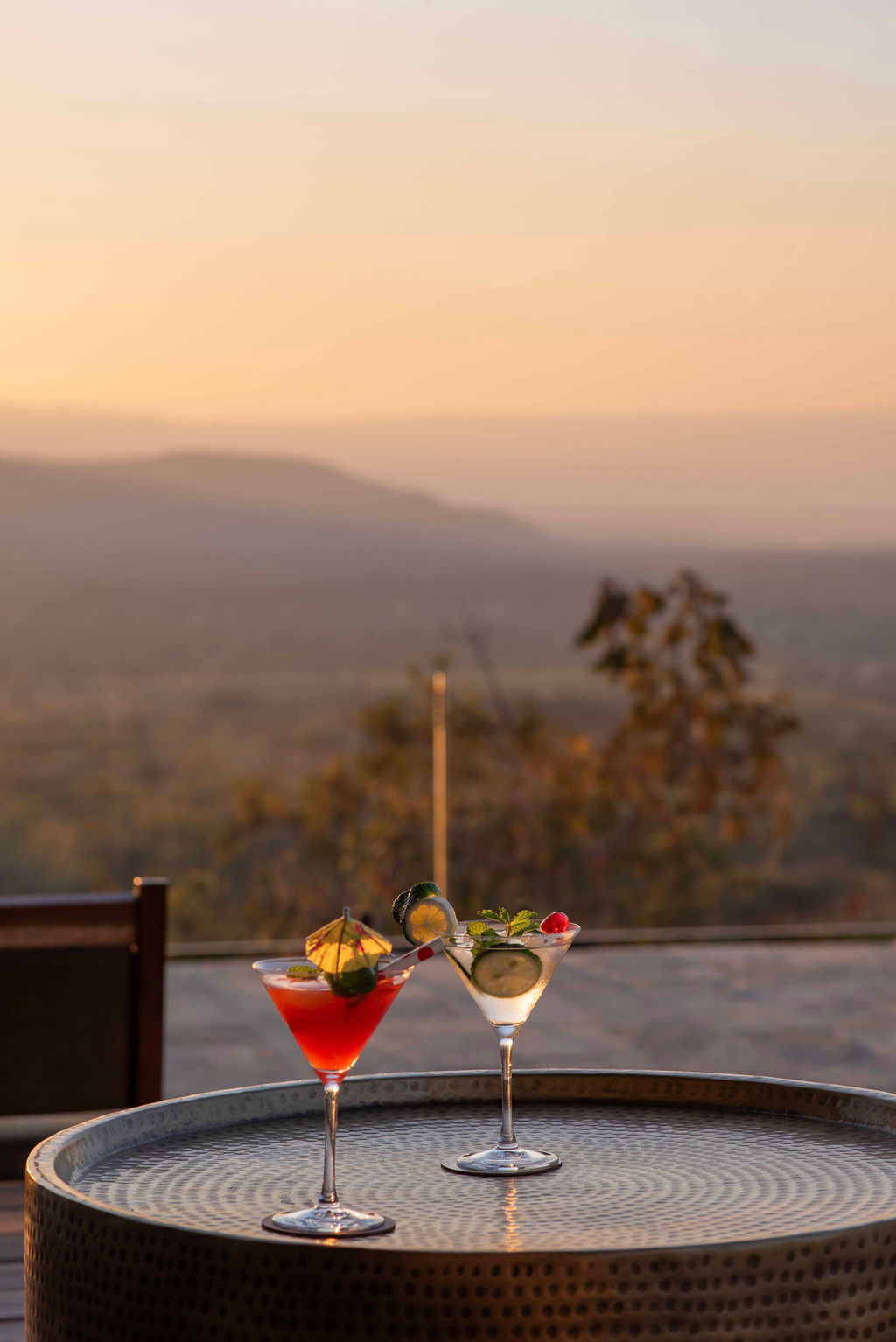
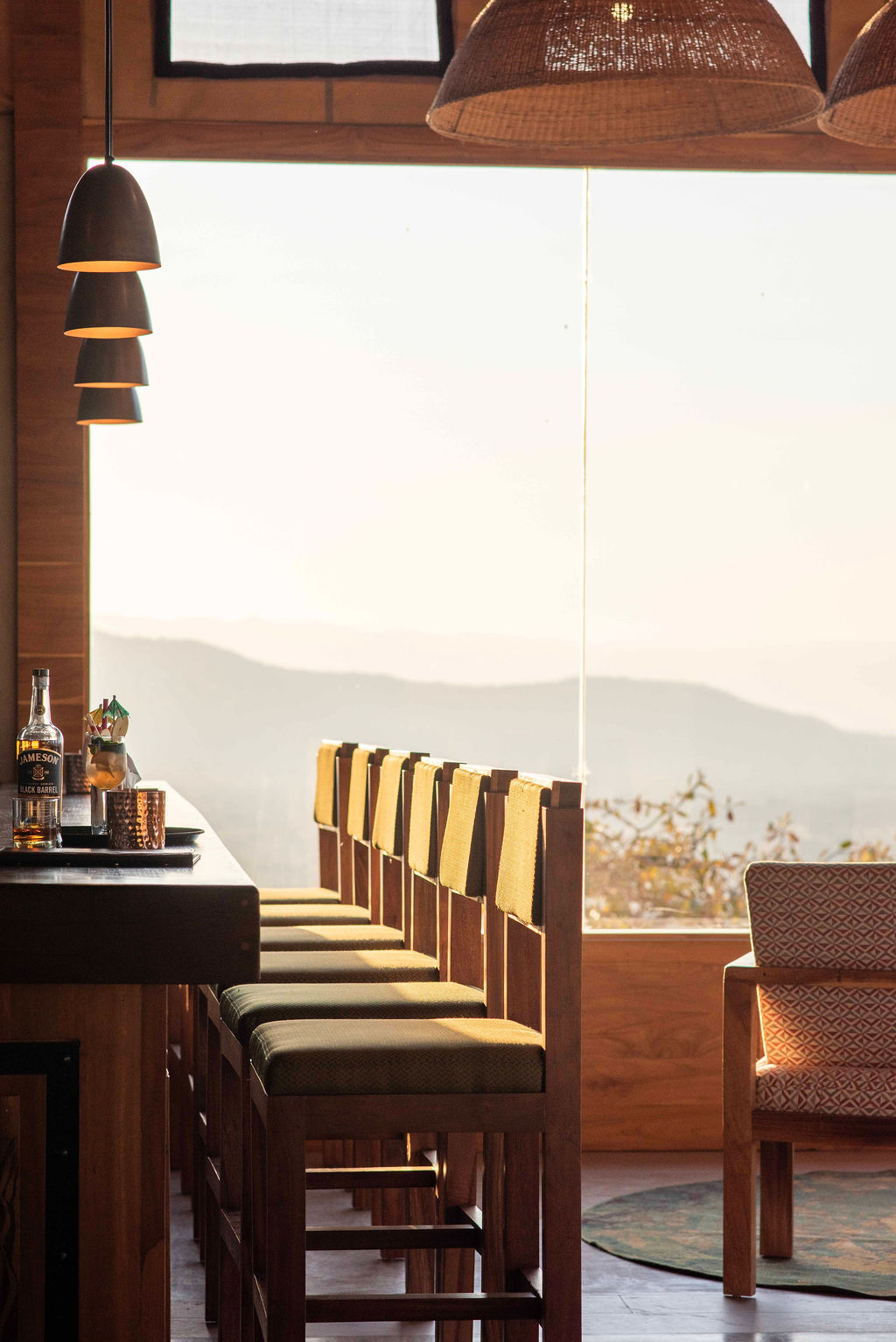
Golden hour on the deck. Nikon D810, 85mm, 1/250s and 1/640s, f/5, ISO 200. Shot for Olkambe Simba Lodge, inside Tarangire National Park.
Photo: Merit Concept
Golden hour and blue hour, defined
Golden hour is the time just after sunrise and just before sunset when the sun is low and the light is warm and soft. Blue hour comes after sunset (and before sunrise) when the sun is below the horizon and the sky turns deep blue: timeanddate puts it at roughly 4° to 8° below the horizon, and notes that near the equator the transition is swift. For hotels, blue hour is when the property looks most inviting: warm windows, a glowing pool and a sky that still has colour. Our hotel photography shot list marks which frames belong to which light.
Want your property photographed in its best light? See our photography page, or read how to brief a photographer before you book a shoot.
Questions photographers ask
How long is golden hour in Tanzania?
Much shorter than in Europe or North America. Near the equator the sun drops steeply, so the warm, low light lasts well under an hour, and civil twilight after sunset lasts only about 22 to 23 minutes at Arusha.
When is blue hour in Arusha?
In the minutes after sunset and before sunrise, when the sun is about 4° to 8° below the horizon. On 22 November 2026 sunset is at 6:28pm and civil twilight ends at 6:50pm, so blue hour falls in that window.
What is the best time to photograph a hotel exterior?
Blue hour, just after sunset, with every interior light, lantern and pool light switched on so the building glows against a sky that still has colour.
Sources
- timeanddate: Sunrise, sunset and twilight, Arusha
- timeanddate: Sunrise, sunset and twilight, Zanzibar City
- timeanddate: Sunrise, sunset and twilight, London (June 2026)
- timeanddate: What is the blue hour?
- Camera settings under each photograph are read from the original files.
About the author
Arjav Vyas is an award-winning filmmaker and photographer, and the founder of Merit Concept in Arusha. His team made the official destination films for Zanzibar and Kenya, winners of 20+ festival awards, and creates the films, photography, websites and social media that some of East Africa's finest safari lodges, hotels and tourism boards rely on to win guests. More about Arjav.
More from The Hide
For hospitality brands · 3 min read
Room tours that sell: how to film a hotel suite
26 November 2026
For hospitality brands · 3 min read
How to brief a photographer or film crew for your lodge
25 November 2026

For hospitality brands · 3 min read
Make your team the story: how to photograph hotel and lodge staff
24 November 2026