Safari photography
A hot-air balloon safari over the Serengeti: a photographer's guide
From a vehicle you see the animals. From a balloon you see how they fit into the land. How to come home with the shots.
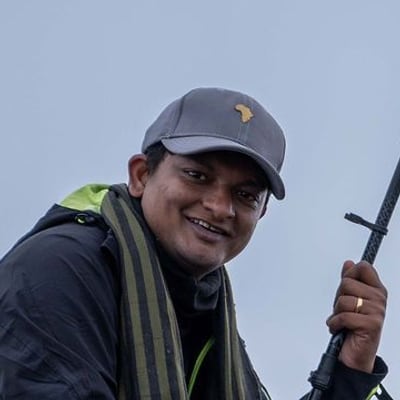
Arjav Vyas
Award-winning Filmmaker & Photographer · 21 October 2026 · 3 min read

Lift-off at dawn in the Serengeti. Shot for Miracle Experience Balloon Safaris.
Photo: Merit Concept
Settings for the basket
Shutter
1/1000s+
The basket is never still
Aperture
f/5.6–f/8
Landscapes sharp front to back
ISO
Auto
High before sunrise, falls fast after
Focus
Continuous
Single point for landscapes
Wide lens
24–70mm
Plains, balloons, sunrise
Long lens
70–400mm
Animals and patterns below
Why the view from above changes the photograph
Most safari photographs are taken from the same height: the roof hatch of a game vehicle. From a balloon, a herd becomes a pattern, a river becomes a line, and the trails you can't see from the ground join everything up. Between burns the balloon is almost silent, so the wildlife below is often undisturbed.

Other balloons give the plain its scale. Shot for Miracle Experience Balloon Safaris.
Photo: Merit Concept
What the morning looks like
With Miracle Experience Balloon Safaris, whose flights we have photographed, guests are collected from camp at around 5am and take off at around 6am. The flight lasts about an hour, rising and falling between near the ground and around 900 metres (3,000 feet), and ends with a bush breakfast. Miracle flies from Seronera all year, from Kogatende in the north from June to November and from Ndutu in the south from December to March, so you can follow the herds through the year.

Inflation before dawn. Shot for Miracle Experience Balloon Safaris.
Photo: Merit Concept
Composing from the air
- Shoot straight down when you're low over a herd or a line of trees. The map-like frames are often the most memorable.
- Include another balloon to give the scene scale and tell the story of the morning.
- Use the low sun. Long shadows of animals and acacias are at their best in the first half hour.
- Turn around. The best light is often behind you, on the plain you've just crossed.
Before sunrise it's tempting to slow the shutter. Don't: the basket moves, so let ISO rise instead. Our safari camera settings cheat sheet explains why, and our month-by-month guide shows which launch site suits which season.

A wide lens shows the people as well as the view. Shot for Miracle Experience Balloon Safaris.
Photo: Merit Concept
Questions photographers ask
How long is a hot-air balloon safari in the Serengeti?
The flight usually lasts about an hour. With pick-up at around 5am, the flight and a bush breakfast, the whole morning takes about five hours.
Can you take a camera on a balloon safari?
Yes, from a phone to a professional body. Keep it on a strap, avoid changing lenses in the basket, and put it away before landing.
What lens is best for a balloon safari?
A 24–70mm or 24–105mm for landscapes and other balloons, and a 70–200mm or 100–400mm for wildlife below.
How high do balloons fly over the Serengeti?
Miracle Experience flies from close to the ground up to around 900 metres (3,000 feet), changing height through the flight.
About the author
Arjav Vyas is an award-winning filmmaker and photographer, and the founder of Merit Concept in Arusha. His team made the official destination films for Zanzibar and Kenya, winners of 20+ festival awards, and creates the films, photography, websites and social media that some of East Africa's finest safari lodges, hotels and tourism boards rely on to win guests. More about Arjav.
More from The Hide
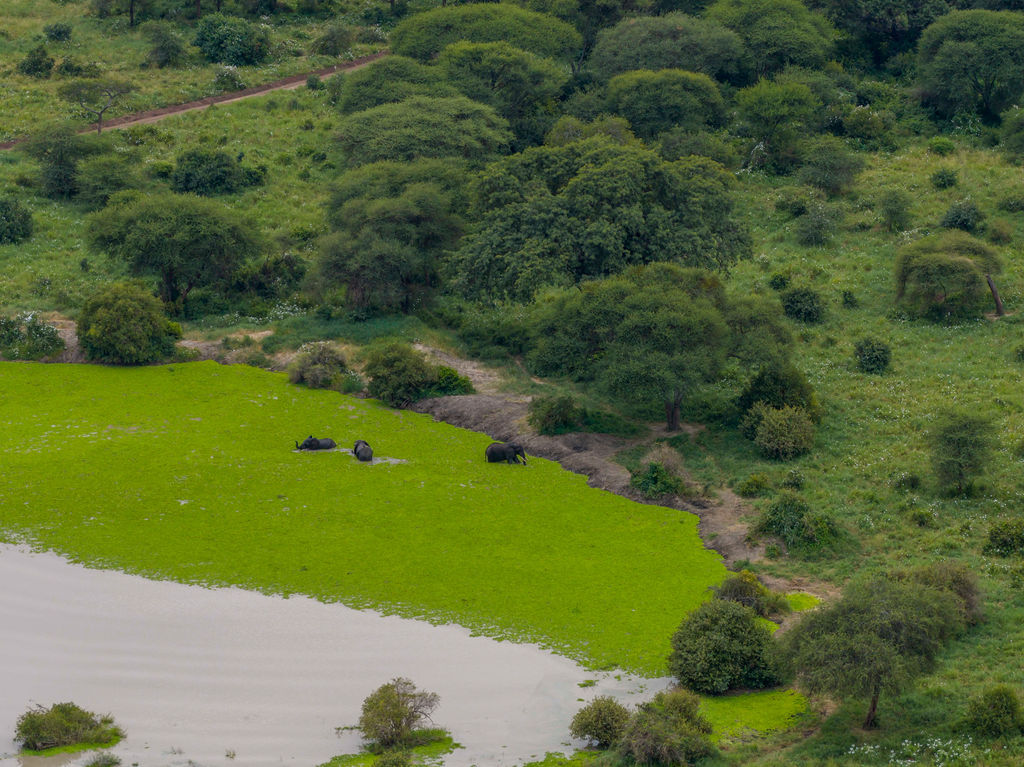
Safari planning · 6 min read
Tanzania park fees, gate hours and travel times for 2026/27
20 November 2026
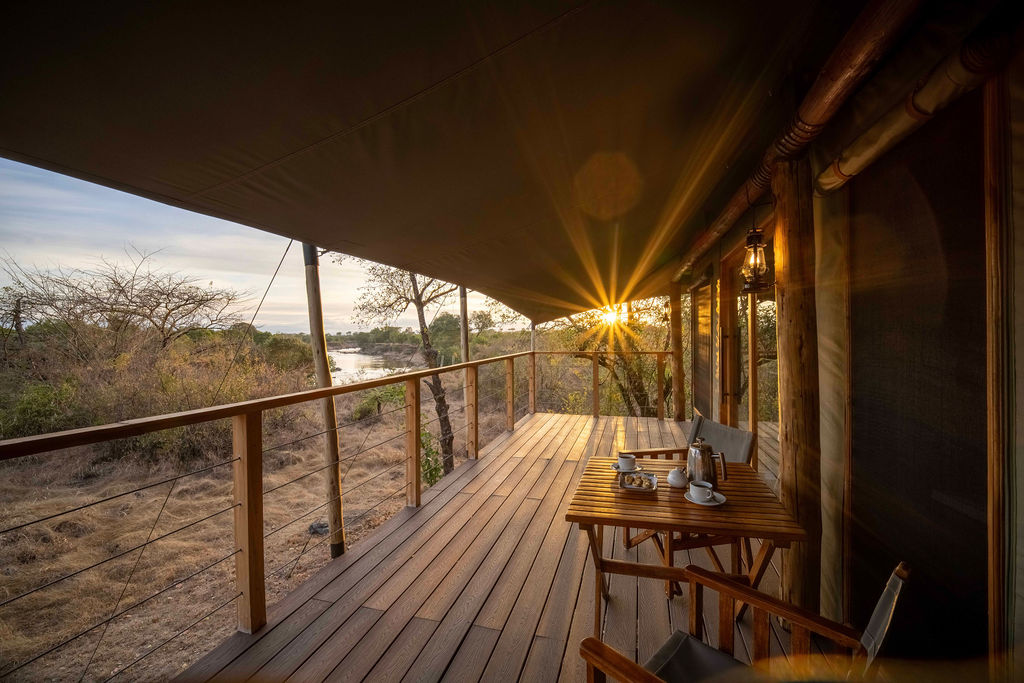
For hospitality brands · 4 min read
Guests don't compare safari lodges. They rehearse the stay.
18 November 2026
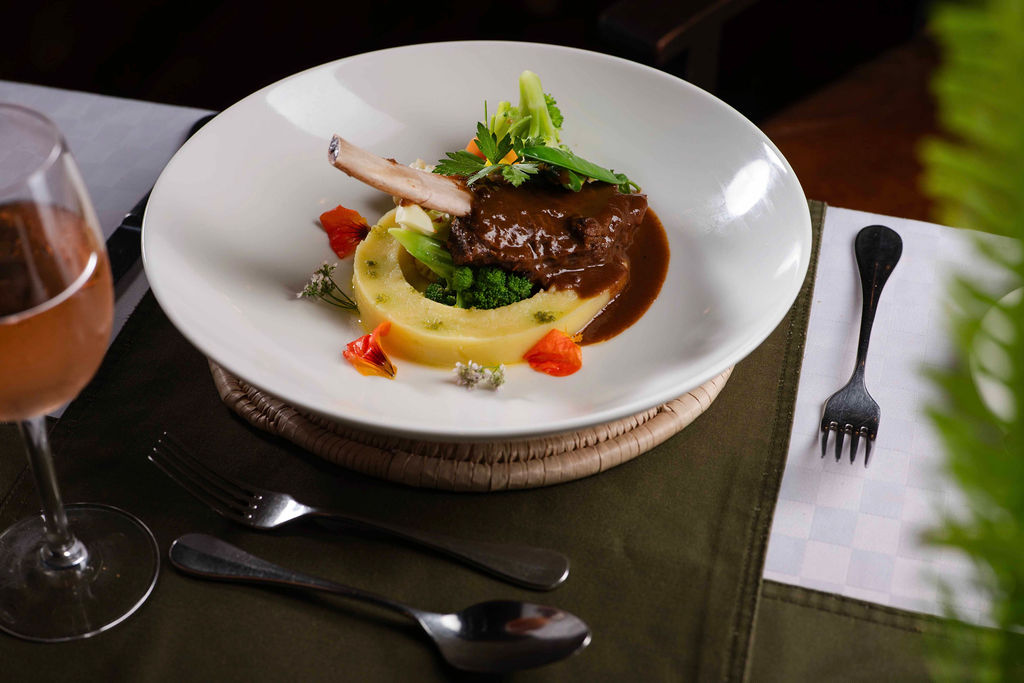
For hospitality brands · 3 min read
Why your food photography isn't making anyone hungry
11 November 2026